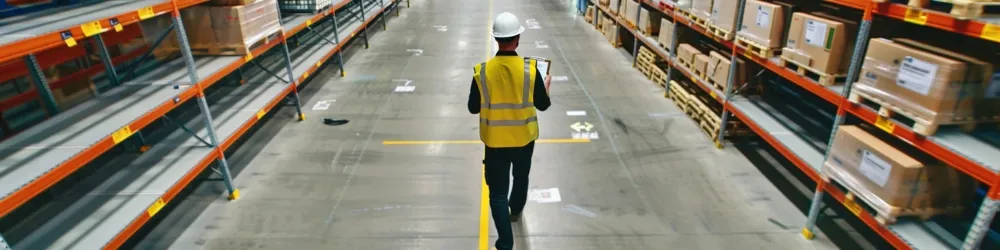
Facility safety management tips to protect your workplace
Why Safety Protocols Matter in FacilitiesThe safety of our facilities is not just a regulatory requirement—it's a cornerstone of our responsibility as owners, managers, and occupants. At ARC Facilities, we understand that the stakes are high when it comes to facility safety management. Every day, we navigate a landscape full of potential hazards, compliance demands, and evolving technologies. Successfully managing these factors is about more than avoiding accidents; it’s about building confidence, protecting people, and sustaining our operations over the long term. Our mission is to equip you with proven strategies, best practices, and the right technology to ensure your facility is safer, smarter, and future-ready.
Why Safety Protocols Matter in Facilities
Implementing robust safety protocols is the backbone of effective facility safety management. Our daily routines create countless opportunities for incidents, from electrical hazards to chemical spills and equipment malfunctions. Without structured processes and clear guidelines, even minor issues can escalate quickly, endangering staff, visitors, and our facility's reputation. Comprehensive safety protocols ensure that safety is never left to chance and that everyone on our premises—whether employees or contractors—understands their role in maintaining a safe environment.
Clear safety standards foster a culture of accountability. When employees recognize that their actions affect the wellbeing of those around them, attention to safe practices quickly becomes habitual. Today’s facility managers must be vigilant in evaluating both routine operations and rare emergencies, adapting protocols as new threats emerge. This ongoing commitment not only reduces injuries and liability risks but also drives productivity, minimizes disruptions, and maintains compliance with local, state, and federal regulations.
Key Risks in the Workplace Environment
The modern workplace is far from static. From high-traffic entryways to machine-filled warehouses and climate-controlled laboratories, each area of our facilities offers unique safety risks that must be identified and managed. Slips and falls remain a leading cause of workplace injuries, often stemming from wet floors, cluttered walkways, or uneven surfaces. Meanwhile, improper handling or storage of hazardous substances can result in dangerous exposure, fires, or explosions.
Mechanical risks from machinery or faulty building systems may create electrical hazards, pinch points, or risks of entanglement. Fire safety is paramount, with blocked exits, faulty wiring, and neglected maintenance all contributing to potential catastrophes. Additionally, ergonomic issues, such as repetitive strain injuries or poor workstation setup, may not produce instant harm but can reduce morale and spike long-term health costs. As we analyze these threats, we also consider less visible but equally critical concerns, such as indoor air quality and biological risks. By proactively addressing each hazard, our facility safety management efforts become comprehensive and resilient.
Comprehensive Overview of Facility Safety Management Systems
Modern facilities demand a coordinated system for safety oversight, known as a facility safety management system. More than a collection of checklists, this system weaves together processes, policies, technology, and communication to protect our people and assets. At ARC Facilities, we advocate for a holistic approach—combining physical prevention, digital tools, real-time reporting, and active employee engagement to close gaps before they become incidents.
Effective systems begin with a clear safety policy tailored to our specific industry, building type, and workforce. We establish roles and responsibilities, ensuring every team member understands what is expected of them. Layered into this are risk assessments, emergency plans, maintenance schedules, and compliance tracking—all coordinated through technology like our emergency information solutions. Digital platforms, such as mobile apps, can deliver real-time building plans, monitor tasks, log incidents, and remind us of critical inspections. With the support of integrated documentation systems, such as O&M documentation, we ensure nothing gets overlooked and everyone responds quickly in an emergency.
When we look at our facilities as interconnected ecosystems, we recognize that safety management isn’t siloed. Facility safety management draws on input from engineering, HR, legal, operations, and IT. It evolves continuously—shaped by lessons learned, technology upgrades, and ever-changing regulations. By unifying these elements, we build a safer environment and foster stronger team collaboration.
Key Elements of an Integrated System
An excellent facility safety management system encompasses:
- Comprehensive digital records — Easy access to building plans, legacy documents, and compliance reports with solutions like our building plan management tools.
- Centralized emergency planning — Real-time access to evacuation procedures, contact lists, and emergency resources.
- Automated alerts and reminders — Timely notifications for inspections, equipment maintenance, and corrective actions.
- Incident reporting and tracking — Immediate, mobile-friendly reporting and analytics to spot trends or recurring risks.
By leveraging the latest in facility management software, we eliminate manual entry and reduce the chance of critical details slipping through the cracks. Contact us to experience firsthand how streamlined documentation can enhance compliance and confidence throughout your organization.
Regulations Every Facility Must Follow
Compliance is non-negotiable—and the regulatory environment for facilities continues to grow in complexity with each passing year. At ARC Facilities, we stay current on requirements to help facility managers navigate state, local, and federal mandates without missing a beat. The Occupational Safety and Health Administration (OSHA) forms the backbone of our compliance strategy, setting standards for hazard communications, emergency preparedness, machine guarding, and personal protective equipment. For recent updates and breaking safety news, be sure to visit the official OSHA newsroom.
Other industry-specific mandates shape our facility safety management practices as well. Healthcare environments must address infection control and HIPAA regulations. Schools and campuses face constraints under ADA, building codes, and state-mandated drills. Government and financial facilities require advanced security planning and data protection. By actively tracking regulatory updates—and using specialized compliance management solutions like our healthcare compliance tools—we reduce noncompliance risks, avoid fines, and create peace of mind for all stakeholders.
Staying ahead requires more than responding to audits or inspections. We must embed compliance throughout our everyday routines. From posting updated signage to training staff on changing protocols and digitizing our legacy documents, each step adds resilience and agility to our operations. It also demonstrates a proactive culture, reinforcing that we place safety above all else.
Implementing Risk Assessments and Safety Oversight
Facility safety management is only effective if we can identify and prioritize risks correctly. Conducting thorough safety risk assessments is the foundation of our strategy. We start by gathering data on building conditions, operational processes, incident history, and employee feedback. Walkthroughs and digital inspections—especially when powered by real-time tools—help us spot hazards before they become headlines.
After identifying vulnerabilities, we assess their likelihood and possible severity. We ask: Which issues could cause the most harm? Which are most likely to occur? By scoring and categorizing risks, we focus our resources on the hazards that matter most. This is where integrating our legacy documents and historical incident records really pays off—allowing us to compare past trends and make smarter predictions.
Once we have a clear risk profile, we create mitigation plans. These plans include engineering controls (like new barriers or ventilation systems), administrative measures (such as new procedures or schedules), and personal protective equipment. Regular reviews and drills ensure our controls remain effective as facility conditions and work processes evolve. Our safety oversight doesn’t end with a checklist. We task supervisors and staff with ownership of specific protocols, encouraging prompt reporting and immediate corrections. Digital monitoring makes it easy to communicate new risks, assign tasks, and ensure follow-through. If you'd like a live demonstration of how mobile tools streamline these processes, let us know—we’re happy to show you the ARC Facilities difference.
Best Practices for Proactive Facility Safety Management
Successful oversight comes down to commitment and culture. Here are several key practices every facility should integrate:
- Promote open communication — Encourage team members to voice concerns and share observations without fear of reprisal.
- Standardize reporting tools — Adopt mobile-friendly apps to collect safety data in the field and enable quick response.
- Validate corrective actions — Follow up to verify that hazards are properly addressed and risks minimized.
- Regularly review data — Analyze incident logs, inspection findings, and compliance gaps to spot trends and adapt plans.
- Integrate facility documentation — Connect O&M manuals, emergency info, and construction projects for total situational awareness.
By ingraining these practices into our operating rhythm, we make safety oversight part of everyday decision-making, not just an annual exercise.
Training, Continuous Improvement, and Digital Monitoring Tools
No facility safety management approach is complete without empowering our people through ongoing training and leveraging the latest monitoring technologies. Even the best protocols fall short when staff aren’t confident in their roles or aware of new threats. Regular training—tailored to each team and updated as conditions change—ensures that our workforce is always ready to respond safely.
Interactive courses, scenario-based drills, and access to on-demand knowledge systems (such as those integrated in our O&M documentation platform) all reinforce best practices and keep safety awareness high. For those in specialized environments, we offer targeted options, such as healthcare facility management software solutions for infection control, or sports facility safety programs for large event venues.
Meanwhile, digital monitoring tools modernize our approach. Sensors can track air quality, temperature, and occupancy. Mobile devices make real-time incident reporting and work order tracking effortless. Cloud-based dashboards provide instant visibility into compliance status and outstanding safety tasks. By centralizing all safety data, we enable fast analysis and data-driven improvements. If you’re interested in adding digital monitoring or compliance tools to your current system, contact us today for an overview of our product suite and to see how you can benefit from increased automation and insight.
A Roadmap to Better Facility Safety Management
Achieving best-in-class safety doesn’t occur by accident—it requires a strategic plan, commitment to continuous improvement, and the right partners. We recommend starting with a transparent audit of your current safety culture and protocols. Assess strengths and gaps using both internal feedback and independent reviews. From there, establish clear goals for compliance, training, and technology adoption.
Leverage available technologies to drive smarter, faster oversight. Solutions from ARC Facilities—like instant access to building plans, mobile emergency tools, and industry-specific compliance software—simplify the process and boost overall resilience. Through regular risk assessments, ongoing training, and automated reporting, we ensure our facilities are safer spaces for everyone.
Engage your team from the beginning. Solicit input, reward safe behaviors, and share progress openly. Our experience shows that when employees feel valued and empowered, they become the strongest advocates for lasting safety improvements. Don’t forget to review customer stories and best practices on our platform—these real-world examples can offer inspiration and actionable tips to supercharge your own facility safety management strategy.
If you want tailored support to map out your next steps, or need guided software recommendations for smarter risk management, reach out to our team today. Let ARC Facilities help you create a safer, more efficient, and compliant operation—now and for the future.
FAQ
What safety risks should facilities watch out for every day?
Facilities should watch for slips, trips, falls, equipment issues, and exposure to harmful materials. These are common problems that can cause injuries if ignored.
Where do most workplace safety issues occur?
Safety issues often occur in high-traffic areas, near heavy equipment, or in places with poor lighting or unclear signage. These areas need regular checks.
Which safety rules are important for compliance?
Facilities need to follow OSHA rules, local safety codes, and industry standards. These rules help reduce risks and keep operations running safely.
Who is responsible for maintaining safety in a facility?
Facility managers and safety teams lead the process, but all employees share responsibility. Everyone should follow safety rules and report problems.