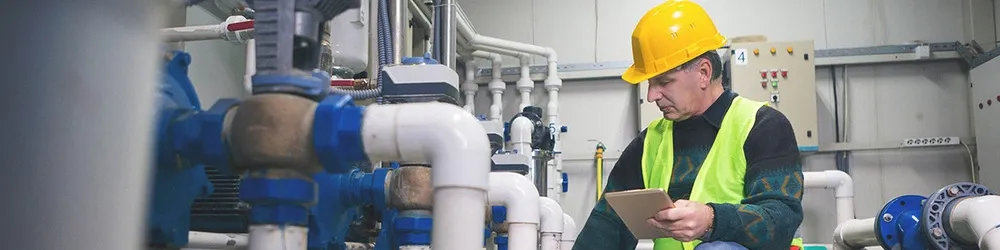
K-12 Deferred Maintenance Gets Boost from Digital Ops
Digital Operations: The Key to Overcoming K-12 Deferred Maintenance ChallengesEvery school district knows the frustration: a leaky roof, aging HVAC systems, broken lights, and a maintenance backlog that never seems to shrink. Across districts, the same issues appear - worn-out equipment, overlooked fixes. ARC Facilities has tracked these patterns nationwide. When breakdowns go unaddressed, expenses grow fast, eating into funds meant for teaching and care. Student well-being, classrooms included, can quietly erode if nothing gets repaired. Suppose we used tech to tackle this issue. That brings us to K-12 Deferred Maintenance: Digital Ops to the Rescue, where digital operations quietly shift how schools manage facilities - giving administrators real influence over their spaces.
When it comes to K-12 school upkeep, things get delicate fast. Safety, rules, and teaching space must stay in check - yet hidden obstacles often block progress. Old buildings linger, worn thin by years of wear, while money runs short just when costs rise. Repair needs pile up while other demands pull attention elsewhere. What builds up is stuff you can’t avoid - like swapping out roofs, modernizing machinery, repairing pipes, sometimes just swapping dirty filters - all piling up past due dates year after year.
What keeps this issue alive? Clearly limited money plays a role, yet it is merely part of the story. Some school districts do not fully grasp how their buildings actually stand. Old paper files, separate spreadsheets, plus worker departures mean facts vanish easily. When surprises hit, quick fixes take over - jumping to crises instead of calm planning. That rhythm keeps vital demands ignored far too often.
At its core, things just aren’t running smoothly day to day. When building designs go untracked, machinery stays untracked too, and warning signs slip by, responses lag behind. Effort runs high - teams give everything - but sharpness fades when processes stay clunky. Here’s how K-12 Deferred Maintenance shifts when Digital Ops step in - it reshapes how schools handle their buildings entirely.
Digital tools are growing stronger in school management.
Change winds through classrooms now. Smartboards line walls, tablets pocket students, still - the tools running them trail behind. Lately, those who oversee buildings have noticed something shifts: digital hubs quietly shape how upkeep runs, rules get met, budgets grow.
Not every tool meant for digital work only helps drop paper use. Main advantages come from gathering key details - like blueprints or service logs - into one protected spot that's simple to reach when needed. Workers checking tasks on phone screens get instant views of layout maps, guarantees, proof of legal standards, plus quick-response guides during crises. This shifts how teams respond, turning routine drills into planned efforts that make the most of available staff.
School districts go digital, then discover:
See how assets are doing as things happen, along with upcoming service tasks displayed clearly
- Automated alerts for routine tasks and emerging issues
- One place where records stay, matching how the building runs instead of tracking who does what
- A quick lookup pulls vital emergency details straight away. Instant access speeds up how fast help arrives
Forecasting that hits the mark, helping shape budgets and manage resources
So here it is - a shift toward action, not reaction, when problems pile up. That idea? K-12 Deferred Maintenance solved through smart digital operations. Digital Ops to the Rescue - it actually delivers.
What if digital tools actually changed things right now? Check out our Building Plans tool - it gives you real-time access to correct facility records on every campus you manage.
K-12 struggles with delayed maintenance until digital operations step in
When it comes to running K-12 buildings, leaders can’t wait - student well-being depends on steady conditions, teachers stay engaged, rules must be followed. Schools pile up overdue fixes year after year, some totaling many million dollars in overlooked work. If repairs drag on, problems grow sharper: hazards appear, power gets wasted, systems break faster.
Not only does fresh software matter, but how we handle school buildings changes too. Instead of waiting or relying on spreadsheets, teams start acting ahead of problems. This shift brings clearer insights through connected systems. Decisions grow sharper when guided by real-time information. Now everything appears together in one spot, allowing tracking of each asset's state while making repair decisions based on clear evidence.
For instance, digital systems handle work tasks in ways such as:
One way to start is checking audit logs for buildings. Look where work stopped long ago, like half-finished checks or expired duties piling up unnoticed
- Assign and track maintenance tasks in real time
- Store centralised copies of old project files and building paperwork to keep past details accessible
Integrate compliance needs for healthcare, accessibility, and building codes
When we show what expenses are really doing, while handing teams smart software, the pattern of putting things off ends at last. That break frees up K-12 facilities from years of delay - operations shift entirely when digital management steps in, transforming how schools run each day while strengthening buildings over time.
Start seeing real gains without waiting? Get in touch at ARC Facilities to see our school facility tools in action - no cost, just a live preview.
Pinpointing hidden costs in school infrastructure
Waiting too long on repairs adds up fast, deeper than one number shows. When a roof breaks down, leaks might start before fixes arrive. Problems grow quietly until they demand much bigger payments later. Older cooling and heating gear tends to raise utility costs while also causing unexpected failures mid-semester. What you do not see carries weight too - bigger payouts for policies, penalties for failing rules, along with how much students actually lose when classrooms stop working.
Fragments of records mean extra effort. Staff spend minutes tracking down drawings or service histories instead of moving forward. Hidden problems appear more often - a malfunctioning alarm system might go unnoticed. When things go wrong, it's often hard to find the correct valve or separation spot fast. That delay makes everything worse.
Digital facility management removes what causes problems. Benefits go to those who work in the operations -
Instant access to current facility documents, right when needed
- Automated asset tracking helps avoid missed inspections or lost warranties
Centralized maintenance records allow knowledge to persist despite staff changes
Problems show up sooner when checked early, risks get measured better, then plans take shape clearly. Look into money gains by reading guides from pros found on FacilitiesNet (opens in new tab). Alternatively, hop over to our page Customer Stories, where actual cases reveal how much was cut down.
What sets our method apart isn’t just holding down expenses - it lays the groundwork for long-lasting, secure, protected school buildings that last. This quiet strength comes from understanding how K-12 deferred work changes when digital operations step in.
How Digital Ops Tackle Deferred Maintenance Issues
Farewell to hunting down repair jobs while buried under paperwork. Top-performing schools lean on digital tools to shape a sharp, flexible approach to keeping things running. Yet what does this shift really look like? Start by mapping out clear actions anyone on the team must take. Each move should connect directly to the goal at hand.
What stands out is how everything - from blueprint drawings to vital emergency setups - now lives inside one protected online space. Lost folders? Gone. Missing papers? Rarely seen anymore. When someone needs details during everyday tasks or sudden crises, those records reach them fast through devices. Location stops being an issue because access happens wherever connection allows. When workers pull up files on their phones, they see what needs doing right away. Changes get saved fast because everyone stays connected. Information moves quicker than walking back to the office. Everyone knows who did what simply by checking updates later.
What happens next depends on tracking each upkeep task - sorted, flagged, then handed off without fuss. Preventive scheduling cuts down chances of costly failures. If something goes wrong, workers start by submitting a query through their device, including images if needed, while flagging serious cases fast. Once tasks are assigned, supervisors handle supplies smartly - keeping machines running while avoiding work piles too high.
What stands out above all is how digital efforts give leaders clear, usable information. Tools pull together details on equipment health, outstanding work, along with financial consequences - helping shape better budget plans. No longer stuck in constant fire-drill mode, teams lean on facts to back decisions, proving they meet regulatory standards too.
Check out how it works by looking at our Emergency Information tool, along with the O&M Documentation option - both help school districts run safer day after day.
Tech plans tackle K-12's delayed fixes
Let’s get tactical. What specific digital strategies can schools use to tackle the K-12 maintenance backlog for good? It starts by focusing on key efforts - each one builds something useful over time:
Centralize old records: Scanning & indexing every historical and construction document helps avoid loss while supporting future planning. Our Legacy Documents management makes this possible.
- Automate routine checks through tech-powered systems - this pins attention where it counts. Staff now stick to essential work instead of chasing small oversights. Now forgetfulness rarely slips into daily operations.
- Keep an eye on key infrastructure - IoT tools spot trouble early: sudden temperature shifts, moisture buildup, or weak machinery that might lead to disaster.
- Connect compliance with emergency management: Rules shift often. Because of that, our system updates automatically so people involved know about fresh legal obligations - this protects schools from expensive fines. When it comes to specific needs, such as those in healthcare, tools like Healthcare Compliance help us stay prepared for inspections.
Working together gets easier when mobile digital systems let people across different groups - like staff, suppliers, or collaborators - stay in touch without barriers like distance or tech issues getting in the way.
Starting here, with K-12 Deferred Maintenance, a clear path emerges through Digital Ops stepping in where gaps remain. Immediate steps take shape while future strength builds quietly behind the scenes. One fix after another links together, pulling back on overlooked work while safeguarding education spaces and sparking young minds.
Future-proofing schools through smarter operations
Digital operations do better than Band-Aid solutions for overdue repairs. They signal a deeper change - how schools think about running buildings now and ahead. What works later is building smart, adaptable infrastructure - not just fixing today.
When leadership shifts, updated tech keeps operations running. Today’s records give tomorrow’s team clear insights to steer campuses ahead. Systems that learn tend to see trouble before it shows up, so repairs happen on schedule instead of in crisis. Budgeting gets easier when predictions reveal what’s coming years out, cutting last-minute charges.
One thing leading forward - tech moving faster, like AI spotting problems before they happen or handling tasks more efficiently. When schools prepare now, adjusting later gets simpler, costs drop, performance improves. All while keeping promises to young people and local neighbors intact.
Start down the path of shaping work that lasts by checking out our school facility management software, then take a look at the product overview.
Digital Ops The Fix for K-12 Maintenance Woes
Hidden expenses now meet growing rules - life got tougher for K-12 builders lately. Yet change is quietly taking shape. What once seemed impossible now bends toward possibility: imagine schools reshaped by unified teams, smart systems running tasks, clear pictures formed from facts turned real.
Guesswork? That's gone. So are piles of paper. With online access, everything moves quicker during work hours. When problems pop up, they vanish faster too because someone handles them right away. A fresher space now exists - calmer, cleaner, full of energy for teachers and learners alike.
Take a look at how digital operations might protect your district ahead of time, starting by reading what customers say on our site. Speaking directly with professionals in the field can also bring useful insights - check out where we’ll be next by viewing our calendar of appearances. Once you’ve had enough information to make your own judgment, reach out using the contact details posted online. Someone from the team will walk through key examples step by step, giving clear examples of what tools are included.
Now’s moment - bring that held-back work into the modern digital setup, keep expenses in check, while giving each school the tools to stick to their purpose.
FAQ
What's holding schools back when it comes to keeping their buildings in shape?
Small fixes tend to slip through when money is tight. That is why tiny issues sometimes grow without warning. Maintenance might fall low on lists due to thin funding. Because of this, tiny setbacks often turn into larger, more expensive problems. Schools facing such hurdles can benefit from better time and staff planning - this is where we step in.
What are those digital operations tools?
They assist in managing K-12 maintenance tasks. The support comes through streamlined workflows. Users gain clarity on assignments and deadlines. Access is simplified across different teams. Efficiency improves when processes adapt to technology. Digital tools give instant access to information, one place for tasks, alerts that happen on their own. Because of this, keeping up with repairs becomes faster, schools can handle problems without delay. When things run properly, key buildings remain reliable until classes end.
How can digital operations identify hidden infrastructure costs?
Hidden costs often slip through cracks - think delayed fixes or wasted supplies. By using sharper number crunching tools, districts notice expensive patterns early, which means less strain over time and longer-lasting equipment.
What strategies does ARC Facilities use to reduce deferred maintenance backlogs?
Cloud tools manage paperwork, schedule tasks flexibly, send alerts right away. On top of that, staff find machines fast, handle emergency fixes first, avoid repeat service issues later.
How might today's school facilities handle digital workloads ahead?
A fresh approach to managing tech needs lets schools shift easily when new tools arrive or rules adjust. Picture how it works when schools move toward digital operations - suddenly adapting gets easier, even if updates surprise everyone. One smart path forward shows up clearly: K-12 districts embracing digital ops aren’t just talking - they’re acting. Their result? Campuses that keep running smoothly without hiccups down the road.