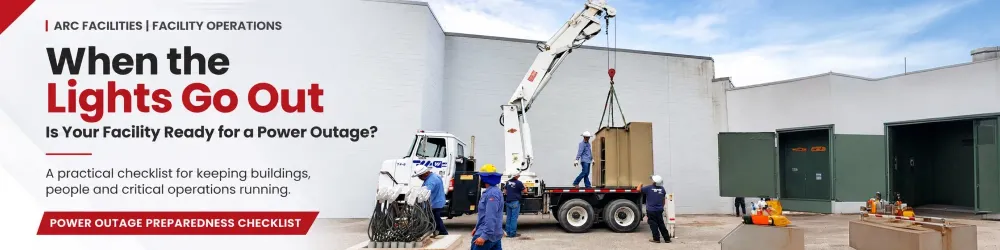
When the Lights Go Out: Is Your Facility Ready for a Power Outage?
A practical checklist for keeping buildings, people and critical operations runningPower outages have a way of turning an ordinary day into an extraordinary challenge for facility managers.
Sometimes it's a neighborhood-wide outage caused by a storm. Other times, it's an equipment failure buried deep inside a building's electrical infrastructure. And occasionally, one seemingly isolated problem can turn into a major operational emergency.
Just ask Andrew Baxter.
Andrew recalled an incident at a Pasco County detention center involving a failed main switchgear breaker -- the heart of a building's electrical distribution system. When that component fails, the consequences can be significant.
In this case, the failure affected the facility's backup generator configuration, resulting in a complete loss of power. The team had a serious problem. And they couldn't simply shut down operations while they figured it out.
"We had to put emergency purchase orders into effect for temporary power," Baxter explained.
Replacement breakers weren't readily available. The team eventually sourced the necessary equipment and had it overnighted. Meanwhile, they worked with local resources to rebuild the original switchgear breaker.
The detention center remained operational throughout the ordeal.
There was another wrinkle: The local utility company used the opportunity to replace the facility's main transformer while power was being routed through the temporary emergency generator.
One equipment failure had turned into a much larger project involving emergency procurement, temporary power, specialized contractors, the utility company and in-house technicians.
The lesson? Emergency procurement, local partners and utility relationships are all part of the extended response team. Those relationships need to be established before a crisis, not during one.
"The greatest lesson of all is having the collective knowledge to know the right people who know how to deal with big failures, and knowing what resources are needed to support large pieces of equipment," said Tom Johnson, Pasco County.
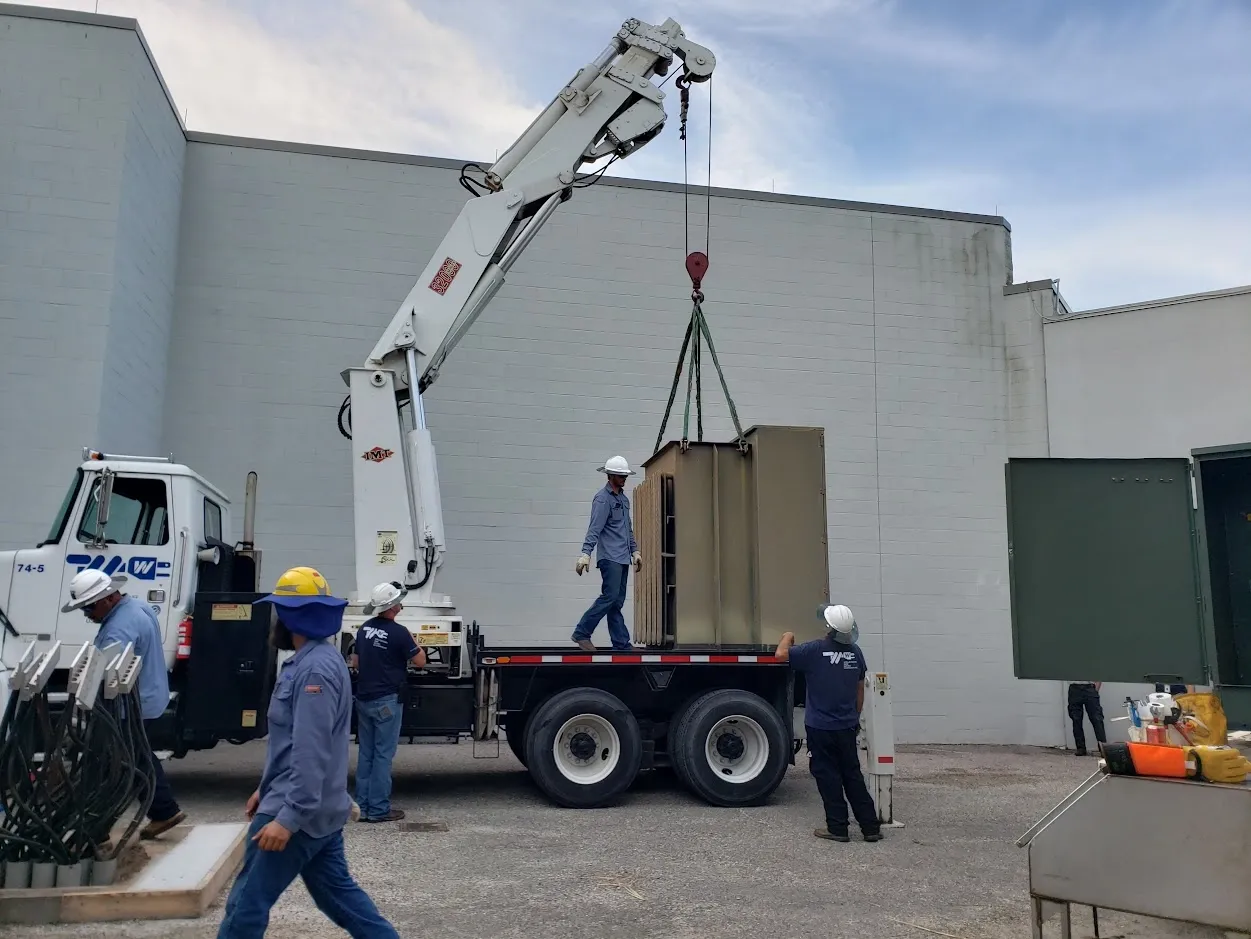
Power outages are about more than keeping the lights on
Outages can affect virtually every building system, but the consequences depend on the type of facility and the activities taking place inside it.
A good power outage plan starts with five basic questions:
1. WHO is responsible?
Who takes charge when the power goes out? Is there a designated incident leader? Who contacts the utility, emergency vendors, security, building occupants and senior management?
Make sure responsibilities are clearly assigned, including after-hours coverage.
2. WHAT is most vulnerable?
Identify the equipment and building systems that need power to operate safely and reliably.
Consider:
- Emergency lighting and life-safety systems
- Elevators and access-control systems
- Fire alarms and security equipment
- HVAC, boilers and pumps
3. WHERE is the critical infrastructure?
Can your team locate electrical panels, main breakers, generators, transfer switches, UPS equipment and emergency shutoffs?
Are locations documented on current floor plans and electrical drawings? Can technicians access that information from a phone or tablet when they're away from the office?
4. WHEN was the last test or outage?
When did the facility last experience an outage? What happened? How long did recovery take? Were backup systems tested recently? Did vendors respond as expected?
An outage is an opportunity to identify what worked, what didn't and what needs attention.
5. WHY is your facility at risk?
Is the biggest concern aging electrical infrastructure, severe weather, utility interruptions, equipment failure or insufficient backup capacity?
Understanding the risks helps facility teams prioritize investments and prepare for realistic scenarios.
The Facility Manager's Power Outage Preparedness Checklist
Use this checklist to evaluate your facility's readiness before the next outage.
1. People and responsibilities
- Assign an outage response leader and backup.
- Create an emergency contact list for facilities staff, leadership, security and outside vendors.
- Identify who communicates with the local utility company.
- Make sure employees understand their roles during an outage.
2. Electrical infrastructure and backup power
- Map main electrical panels, breakers and critical shutoffs.
- Document generator locations, capacities and operating procedures.
- Identify automatic transfer switches and manual transfer procedures.
- Identify equipment that requires uninterrupted power.
- Confirm backup power capacity can support prioritized building operations.
- Review generator fuel supplies and replenishment arrangements.
- Inspect electrical infrastructure for aging or potentially failing components.
3. Testing and preventive maintenance
- Establish testing schedules.
- Test emergency generators under appropriate operating conditions.
- Review maintenance records and outstanding deficiencies.
- Confirm vendors can respond to emergency service requests.
- Document test results and corrective actions.
4. Documentation and field access
- Maintain current electrical drawings and as-builts.
- Keep generator specifications and operating instructions available.
- Document critical shutoff locations.
- Maintain equipment make, model and serial number information.
- Include warranties, service records and vendor contacts.
- Make sure technicians can access building information from mobile devices.
- Verify documentation reflects renovations and electrical system changes.
- Keep emergency procedures accessible even when the building network is unavailable.
5. Outside partners and emergency procurement
- Establish relationships with electrical contractors and generator service providers.
- Identify local suppliers of specialized electrical components.
- Understand emergency purchasing and approval procedures.
- Confirm temporary generator rental options.
- Maintain utility company emergency contact information.
6. Recovery and lessons learned
- Create a documented power restoration procedure.
- Identify which systems should be restarted first.
- Conduct a post-outage review with everyone involved.
- Update emergency plans based on lessons learned.
Be ready before the lights go out
The Pasco County experience is a reminder that power outages rarely follow a script. Equipment fails, backup systems don't always perform as expected, and resolving a major problem can require several contractors, suppliers and utility partners working together.
Having the right people on call is important. So is having the right building information at your fingertips.
Facility teams need to know where electrical equipment is located, which breakers serve critical systems, how backup power is configured and what equipment specifications, service records and maintenance history can tell them. They also need current drawings and procedures that reflect what's actually installed in the building.
That's where ARC Facilities can make a difference. ARC Facilities puts building plans, electrical drawings, equipment details, maintenance records, warranties, shutoff locations and other essential facility information in one mobile-first platform, accessible from your device. Technicians can use it in the field to identify equipment, locate critical infrastructure and get the information they need to make informed decisions.