
The Stadium Never Sleeps: What It Takes to Keep a Major Venue Event-Ready
A stadium might look quiet when the lights go down and the last fan heads home. Behind the scenes, another operation is already underway.
For stadium facilities teams, there's rarely a true offseason. NFL games, concerts, soccer matches, sponsor events and private gatherings compete for space on increasingly crowded calendars. Each event brings different requirements, people and operational priorities.
As Fletcher Coffman, Vice President of Operations and Capital Projects for the Washington Commanders, explained in a conversation with David Trask of ARC Facilities, keeping a major stadium running is a year-round exercise in planning, communication and constant improvement.
And the next event is usually being prepared before the current one is finished.
Planning three events at once
At a major venue, facilities planning doesn't happen one event at a time. While one event is underway, the operations team is preparing for the next two or three.
That means coordinating staffing, contractors, inspections, equipment requirements and building conditions well in advance.
An NFL game requires nearly the entire stadium to be ready. A concert may close off large sections depending on stage placement. Soccer matches and private events bring different configurations, with locker rooms becoming dressing rooms and back-of-house spaces serving new purposes.
The facilities team must understand how each event will use the building and adjust its inspection priorities. Inspections can take a week or two, depending on the team and the building's condition. Staff physically visit locations, check equipment, document results and identify outstanding work.
Before the first fan arrives, everyone needs to know what's been checked, what still needs attention and who owns each item.
Knowing what's behind the walls
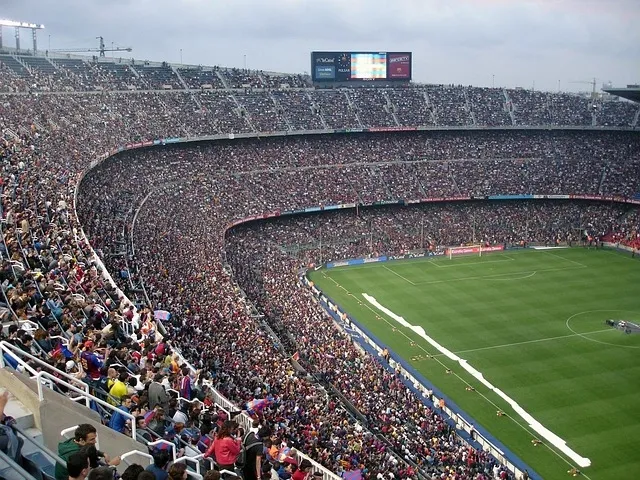
Large stadiums contain enormous amounts of equipment spread across multiple levels and sometimes millions of square feet.
HVAC equipment, fan coil units, water heaters, electrical panels and plumbing systems aren't always located where technicians expect. Some are above ceiling grids, beneath seating areas or tucked into mechanical spaces added during renovations years earlier.
“It’s difficult to manage a stadium without building automation systems or sensors covering every area. Technicians may discover problems by hearing a failing belt, noticing a bearing issue or physically inspecting equipment,” Fletcher said.
His team has invested considerable effort in documenting equipment, identifying utility connections and recording inspection results.
That information helps determine whether an issue requires a work order, contractor support or immediate attention before an event. It also makes tight turnarounds more manageable.
The Sunday-to-Thursday problem
A Sunday game followed by a Thursday game creates a particularly demanding schedule. The team has only a few days to inspect a massive venue, address problems, coordinate contractors and prepare for another crowd.
The idea is to start planning well before the first event. Fletcher’s team identifies vendors, anticipates the work required between events and coordinates staffing so everyone knows when they're needed.
Plumbers, electricians and elevator technicians are important partners, particularly when there's little room for delays. Contractors who understand the building and its recurring issues can respond more effectively than people encountering it for the first time.
The event doesn't end when the fans leave. Preparing for the next one has already begun.
Measure performance, make adjustments
A useful practice is holding post-event reviews immediately after games, while details are still fresh. These conversations help identify patterns and determine what needs to change before the next event.
Operational data also informs capital planning. Repeated complaints about lighting or restroom conditions, for example, can be grouped and evaluated. Maintenance funds can address recurring problems, while larger patterns may justify capital investment.
Fan feedback adds another perspective, helping the team understand where facility conditions are affecting the visitor experience.
The fan experience starts behind the scenes
Fans might not think about suite temperatures, hot water availability, restroom conditions or elevator performance. But these details shape their experience.
Fletcher said the ultimate objective is to make sure people feel comfortable and safe. That requires coordination among facilities, engineering, operations, food and beverage, cleaning, security and outside partners.
Whether the venue hosts an NFL game, concert, soccer match or smaller gathering, the spaces being used must receive the right level of attention.
Consistency matters. Every event represents the venue and the organization behind it.
Four takeaways for stadium operations teams
- Plan beyond the next event. Build staffing, vendor and inspection plans for multiple upcoming events, not just the one currently underway.
- Know what serves each space. Document equipment locations, utility connections and inspection results so technicians can work efficiently.
- Debrief immediately. Review incidents while details are fresh, identify recurring problems and assign follow-up work.
- Connect operational data to capital planning. Use maintenance calls and fan feedback to identify investments that will improve facility performance.
A successful stadium operation is about much more than what happens on the field. It's the result of hundreds of people coordinating countless details before, during and after every event.
The fans see the game. The facilities team makes the entire experience possible.