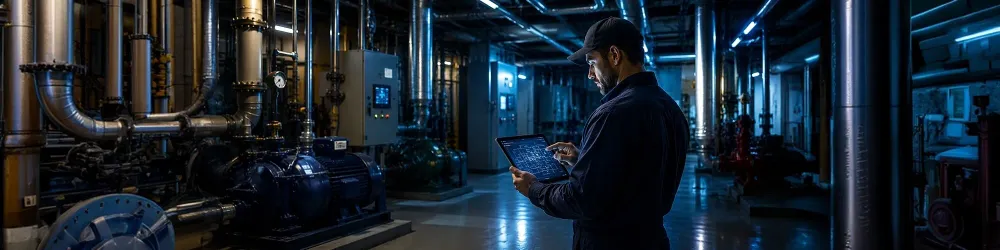
The Reality of 3 AM Readiness
The True Test of a Facility Operation Happens After Everyone Goes HomeGetting a call from work in the middle of the night is never good news. It usually means there’s been an attempt to fix a problem that’s failed, frustration is growing, and now the situation is getting desperate. You want your technicians to solve problems without waking up half the organization.
That’s the meaning of “3 AM readiness.”
For operations leader Yolanda Keys, readiness means having “the people, processes, equipment, and communication systems in place to respond immediately and effectively to any operational issue or emergency at any hour.”
In facilities operations, overnight emergencies have a way of exposing weaknesses that stay hidden during the day. Missing documentation becomes painfully obvious. Communication gaps are exposed. And if the response plan begins with “Call Bob,” the team is already losing valuable time.
“True readiness means critical issues can be identified, communicated, and stabilized without panic, confusion or dependency on a single person or system,” said Justin Gallo, Facilities & Administrative Services Manager, Daniels Fund.
That dependency problem exists in more facilities operations than most organizations realize. There is often one technician who knows the shutoff locations from memory, one supervisor who keeps vendor contacts in a spreadsheet nobody else can find, or one retired employee everyone still calls because they “know where everything is.” Those systems may appear functional during normal business hours, but they break down quickly during overnight emergencies.
3 AM is NOT the time to dig through building plans from the 1970s for clues. The person who discovered the problem needs immediate access to shutdown procedures, infrastructure maps, SOPs, vendor contacts, alarm data, equipment manuals, and escalation procedures. Without that information, risks escalate rapidly.
Yolanda said that overnight technicians should be capable of independently assessing hazards, troubleshooting routine issues, implementing temporary corrective measures, and communicating operational impacts safely and effectively. That level of independence matters because leadership and support staff are often unavailable during overnight incidents.
Justin believes a well-trained technician should be able to stabilize 80% to 90% of facility incidents without direct supervision. That does not necessarily mean permanently fixing every issue in the middle of the night. It means being able to assess the situation, contain the problem, protect operations, and prevent the incident from becoming significantly worse before additional help arrives.
“It’s a matter of confidently determining if we need immediate help right now or if things are temporarily under control and we can fully address it tomorrow,” said Elliot Echols, Director of Facilities & Operations, Rich Township High School District.
Elliot recalled a winter when double-digit negative temperatures threatened heating systems, pipes, and sprinkler infrastructure across multiple districts. While other facilities experienced major failures, his team stayed ahead of problems by combining monitoring, surveillance systems, physical overnight building checks, and constant communication among staff. Technology certainly helped, but preparation and coordination ultimately made the difference.
One of the biggest misconceptions in facilities operations is believing that having an emergency response plan automatically creates readiness. It does not. Readiness only exists if teams can execute effectively under pressure.
That means technicians clearly understand their responsibilities. It means critical information is immediately accessible. It means communication systems are organized, escalation paths are understood, and emergency procedures have been practiced long before the crisis begins.
The warning signs of poor readiness are usually easy to recognize. Technicians constantly relying on supervisors for basic information is a major red flag. Outdated SOPs, missing documentation, weak communication structures, and the absence of emergency drills are equally concerning. Limited visibility into building systems after hours increases risks.
“If people are trying to figure things out for the first time during an emergency, you are already behind,” Elliot said.
Ultimately, 3 AM readiness is not about perfection. It is about resilience. It is about building an operation capable of functioning safely and effectively when leadership is asleep, information is needed immediately, and decisions must happen quickly.
To determine if your team is ready and set to respond confidently after midnight or if they’re totally unprepared, check out our 3 am readiness scorecard.