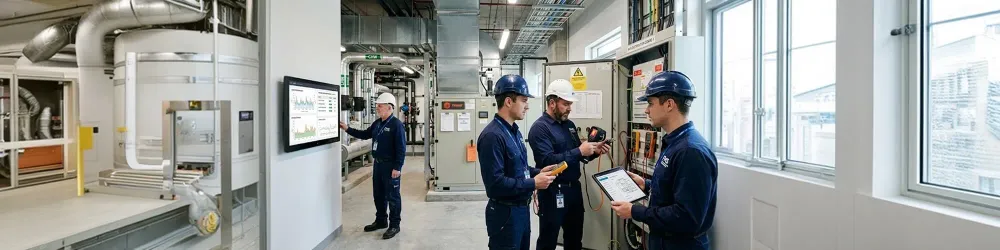
From Firefighting to Forward Thinking
What Sets High-Performing Facilities Teams ApartFacilities teams often find themselves stuck in “firefighting mode”—reacting to issues, chasing work orders, and struggling to get ahead. But high-performing teams operate differently. They aren’t just more efficient; they’re more intentional, more connected, and more proactive in how they manage their environments.
What’s one practical step leaders can take to help their teams stay ahead of issues?
“Maintenance is primarily seen as lost revenue,” said James Foster, Senior Facilities Manager. “It’s always out-of-pocket a huge part of a budget. Following a good end of life equipment program would be key. To be able to plan for equipment replacement instead of downtime because of obsolete equipment helps and saves revenue.”
So what separates the best from the rest?
1. They Build Systems, Not Just Solutions
Top-performing facilities teams rely on clear frameworks for how work gets done. They don’t leave task assignment, communication, or documentation to chance. Instead, they create structured ways to receive, prioritize, and track work.
Equally important is visibility. These teams maintain a clear, accessible history of what’s been done in their buildings—every repair, upgrade, and inspection. That historical insight becomes a powerful tool, helping teams make better decisions and avoid repeating past mistakes.
“To get out of "firefighting mode", teams need a place to receive work orders, as well as a clearly defined schedule of what is coming up with the ability to prioritize that as a group,” said Chelsey Stafki, Smart Church Solutions. “Preventative maintenance is one example where living in the proactive instead of the reactive state helps with efficiency and to alleviate stress.”
Without this foundation, teams are forced into reactive cycles. With it, they gain control.
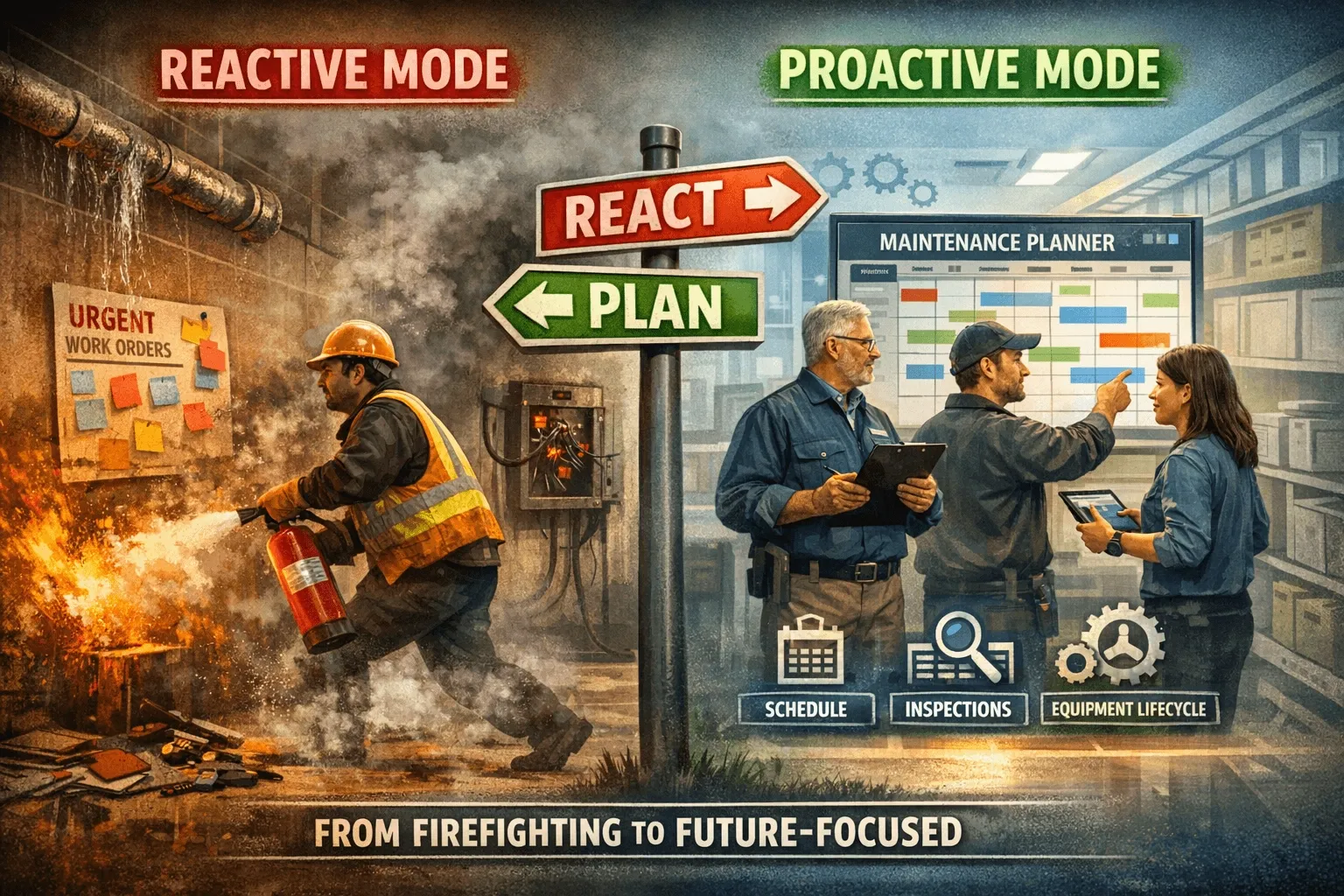
2. They Shift from Reactive to Proactive Work
One of the clearest differences between struggling teams and high-performing ones is how they approach time. Reactive teams are consumed by what’s breaking today. High-performing teams invest in what might break tomorrow.
Preventative maintenance plays a central role here. By planning ahead—servicing equipment, scheduling inspections, and anticipating failures—teams reduce emergency work, improve efficiency, and lower stress across the board.
But making this shift requires more than intention. It requires tools and alignment. Teams need a centralized way to receive work orders, a shared view of upcoming tasks, and the ability to prioritize together. When everyone is aligned on what matters most, the chaos starts to fade.
But structure alone isn’t enough. Documentation is what makes it powerful.
High-performing teams invest in capturing institutional knowledge: as-builts, O&M manuals, service histories, and site-specific insights. Platforms like ARC Facilities help centralize this information, making it instantly accessible in the field. Instead of hunting through binders or disconnected systems, teams can quickly find what they need to solve problems faster and with more confidence.
3. They Focus on Outcomes, Not Just KPIs
Metrics matter—but they aren’t the whole story.
The best facilities leaders look beyond KPIs and focus on outcomes. They ask a different question: How does this building help people do their best work?
This mindset changes everything. Instead of simply tracking response times or ticket volumes, high-performing teams think about the experience of the people inside the building. Is the lighting right? Is the temperature comfortable? Are spaces clean, welcoming, and functional?
“I believe the best level of service we can deliver is engagement,” said Paul French, the Downer Group. “When we are invested in the people at our facility and how our site affects what they do each day we have chosen a higher path. I like to deliver a site in a way that allows my people to do what they do unimpeded by the place they work and potentially assisted to work with excellence.”
When facilities teams take ownership of that experience, they elevate their role. They’re no longer just maintaining a building—they’re enabling performance. When teams are connected to the people they serve, they gain insights into what’s really needed. They can identify small issues before they become major problems and address long-standing challenges that others may have ignored.
4. They Plan for the Long Term
Another defining trait of high-performing teams is their ability to plan ahead—especially when it comes to equipment and capital investments.
Too often, maintenance is viewed as a cost center, with spending seen as purely reactive. But teams that adopt lifecycle planning for equipment take a different approach. They anticipate end-of-life timelines, budget for replacements, and avoid costly downtime caused by obsolete systems.
This shift from surprise failures to planned upgrades doesn’t just save money—it builds confidence across the organization.
5. They Invest in People and Culture
At the heart of every high-performing facilities team is something less tangible, but just as critical: trust.
The best teams aren’t just groups of individuals completing tasks. They’re cohesive units built on strong relationships, mutual respect, and shared purpose. There’s a sense of safety—where ideas are welcomed, feedback is encouraged, and collaboration is the norm.
This kind of culture doesn’t happen by accident. Leaders play a crucial role in building it. They hire thoughtfully, looking beyond technical skills to character and curiosity. They create environments where people feel heard and supported. And they make time to engage with their teams, rather than getting lost in reports and meetings.
When that foundation is in place, something powerful happens: people go above and beyond—not because they have to, but because they want to.
6. They Show Early Signs of Momentum
As facilities teams begin to improve, the signs are easy to spot. Communication becomes clearer. Work feels more organized. Preventative tasks start replacing emergency fixes. And perhaps most importantly, morale improves.
You’ll see more collaboration in meetings, more ownership in daily work, and a growing sense that the team is moving forward together.
High-performing facilities teams aren’t defined by having fewer problems. They’re defined by how they approach them. With the right systems, a proactive mindset, strong leadership, and a culture of trust, teams can break free from constant firefighting—and start building something far more sustainable.
“The best facilities teams are, in fact, a team. Not just a group of employees sharing tasks, but humans being human—caring for each other while working toward a common goal,” said Judy Ramirez, SEPHORA. “When you’re around a team like this, you can feel it. You see it in their faces and hear it in their genuine laughter. There’s an ease in the room, a sense that people have each other’s backs.”
“When a team is bonded by human connection—not just paychecks—that’s when anything becomes possible,” said Judy. “That’s when people go above and beyond, not because they have to, but because they want to. They care about the outcome, and they care about each other.”