Emergency Readiness for Facility Teams
REQUEST DEMO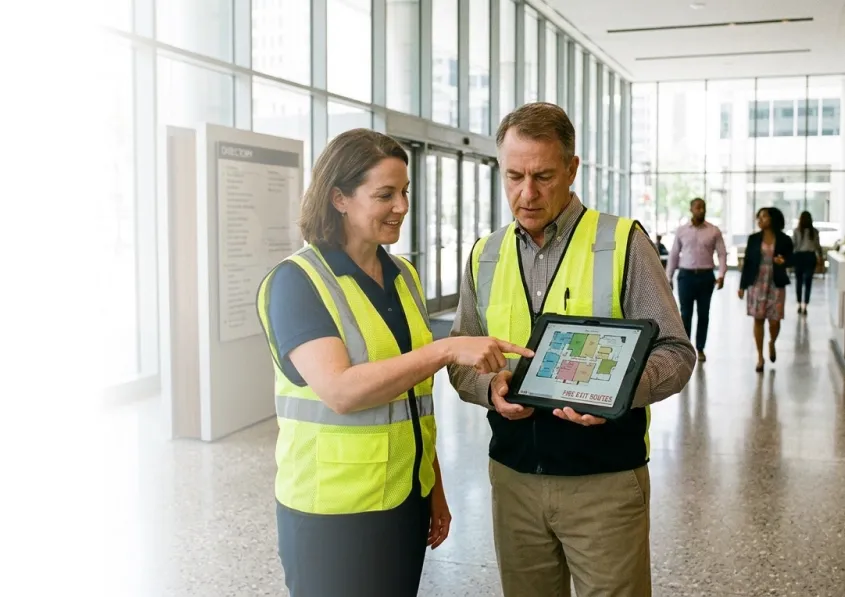
What Role ARC Facilities Plays in Emergency Preparedness
ARC Facilities is not an incident command or mass notification system.
ARC Facilities is the building information foundation that supports emergency preparedness and response by ensuring facility teams can immediately access accurate, location-based building intelligence.
This includes:
- Emergency plans and procedures
- Building drawings and floor plans
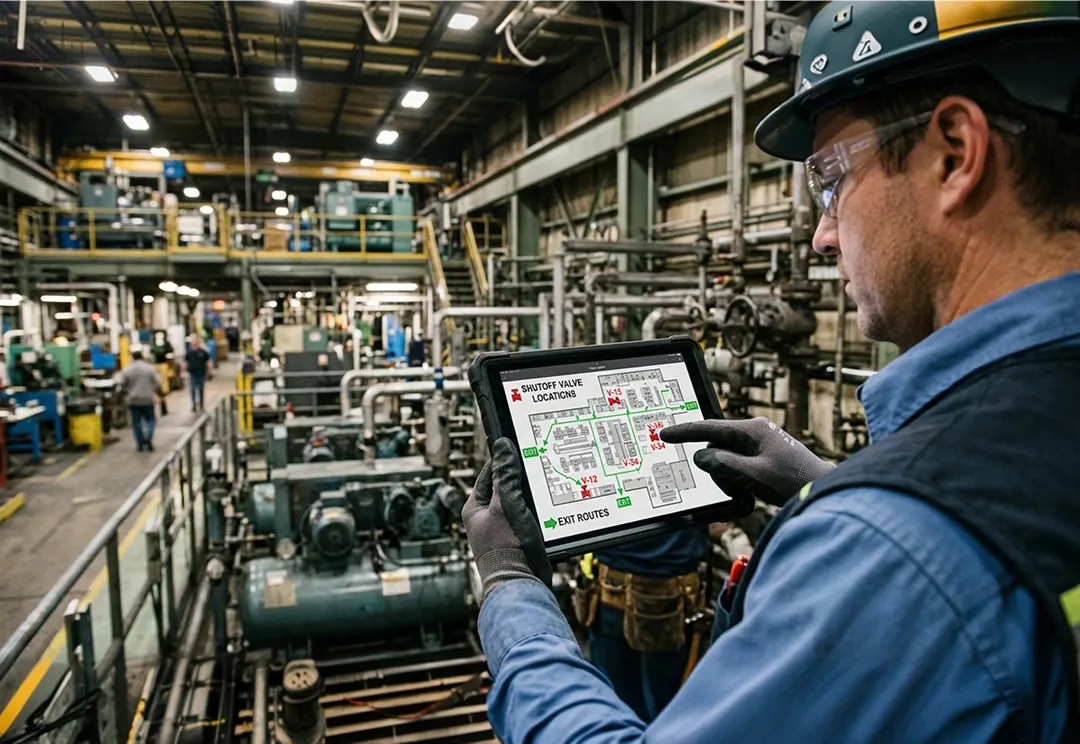
- Shutoff locations and critical systems
- Life safety documentation
- Equipment and asset information
When emergencies happen, ARC Facilities ensures teams are not searching. They are acting.
Built for Real World Facility Operations
Facility teams manage emergencies across complex buildings, multiple floors, and large campuses.
ARC Facilities supports emergency readiness for:
- Commercial and corporate facilities
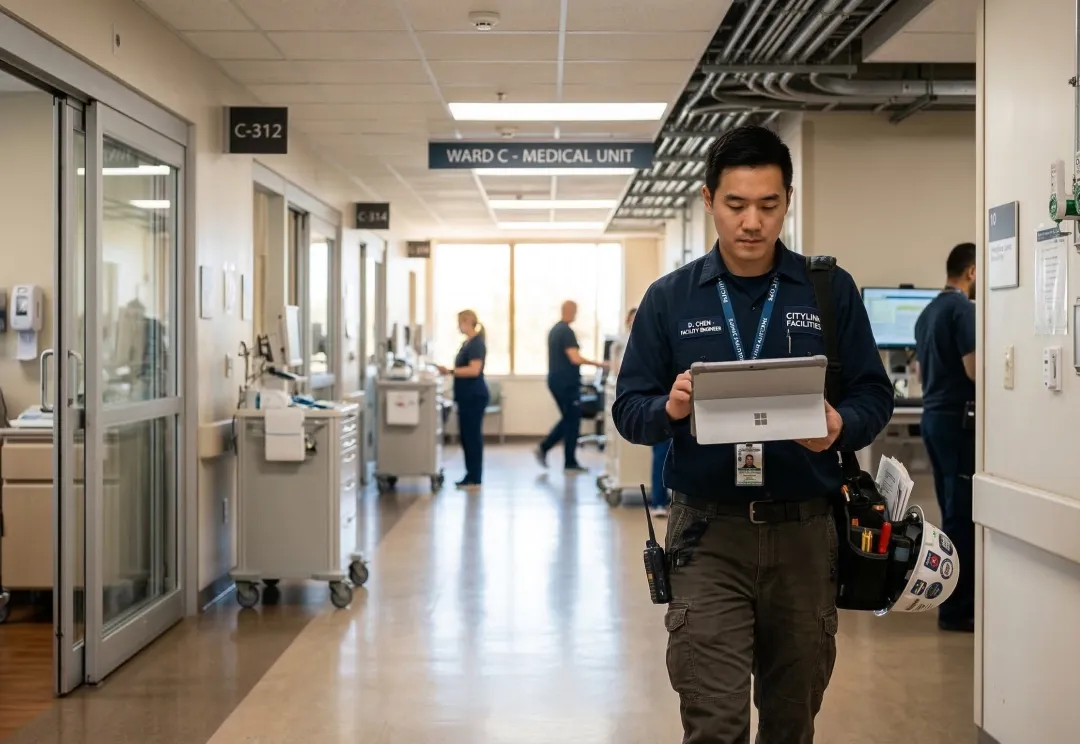
- Healthcare campuses
- Education and higher education
- Government and public facilities
- Stadiums, arenas, and large venues
ARC Facilities scales across single buildings and multi-site environments.
Centralize Emergency Plans and Procedures
Organizations often store emergency plans in multiple systems and physical locations, making it difficult to ensure consistency and accuracy.
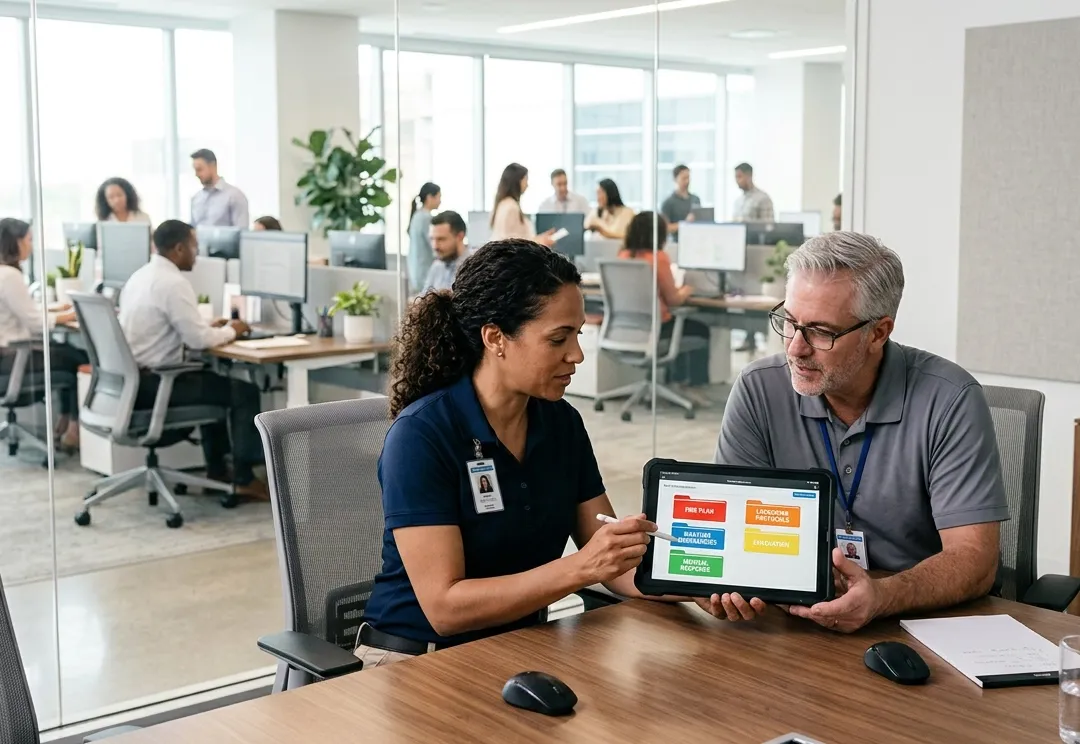
ARC Facilities allows teams to store and access:
- Emergency action plans
- Shelter-in-place procedures
- Lockdown and security protocols
- Severe weather response procedures
- Hazardous material response plans
All emergency documentation lives in one secure, mobile-accessible system.
Improve Response Through Instant Access to Building Information
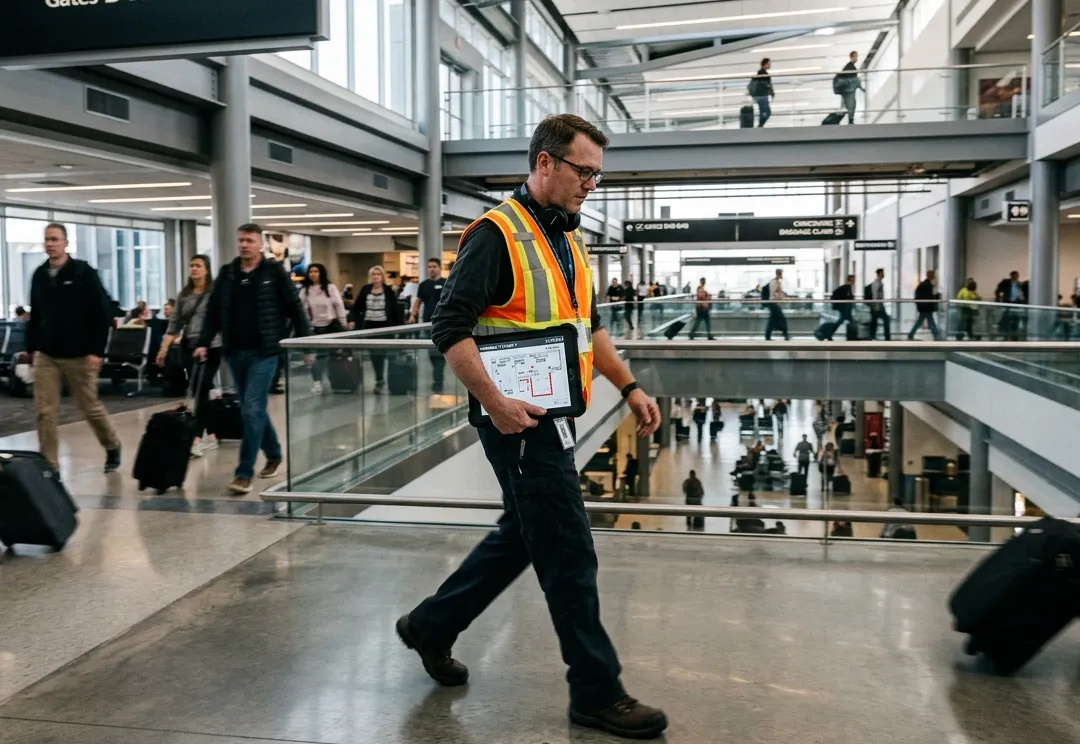
During an incident, time spent searching for drawings, shutoff locations, or procedures increases risk.
ARC Facilities enables teams to:
- Open emergency plans in seconds
- Access building drawings in the field
- Locate critical systems quickly
- Share building information with responders when authorized
Faster access leads to faster, safer decisions.
Support Training and Readiness
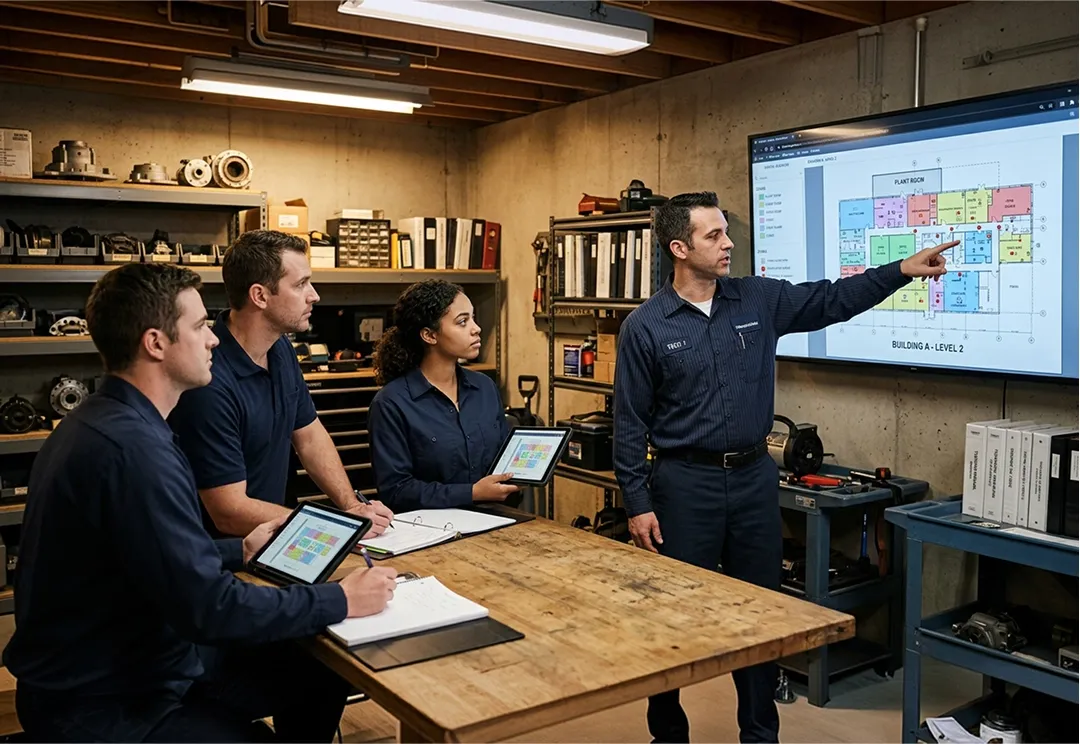
Preparedness is not only about response. It is also about ongoing readiness.
With ARC Facilities, organizations can:
- Standardize emergency documentation across locations
- Ensure teams reference current building information
- Support drills and tabletop exercises
- Reinforce consistent response expectations
This helps create a stronger culture of readiness.
Mobile First for the Field
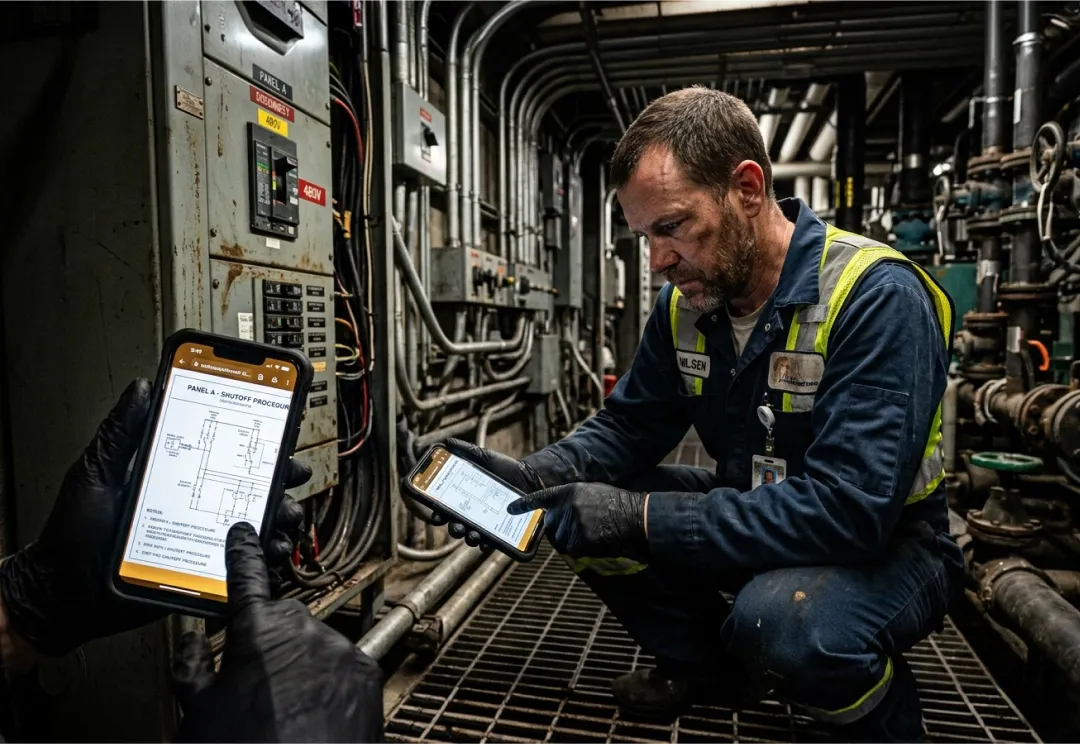
Emergencies happen in hallways, mechanical rooms, concourses, and outdoor spaces.
ARC Facilities is mobile-first, allowing teams to:
- Access emergency information from phones or tablets
- Reference procedures while onsite
- Navigate buildings during incidents
- Share information quickly when authorized
No dependency on office computers or printed binders.

Accurate, Secure, and Always Current
Emergency documentation must reflect current building conditions.
With ARC Facilities:
- Information is stored securely in the cloud
- Updates can be made as buildings or procedures change
- Authorized users always see the latest version
- Data is protected using enterprise-grade security standards
Teams can trust the information they rely on.
How ARC Facilities Complements Emergency Preparedness Software
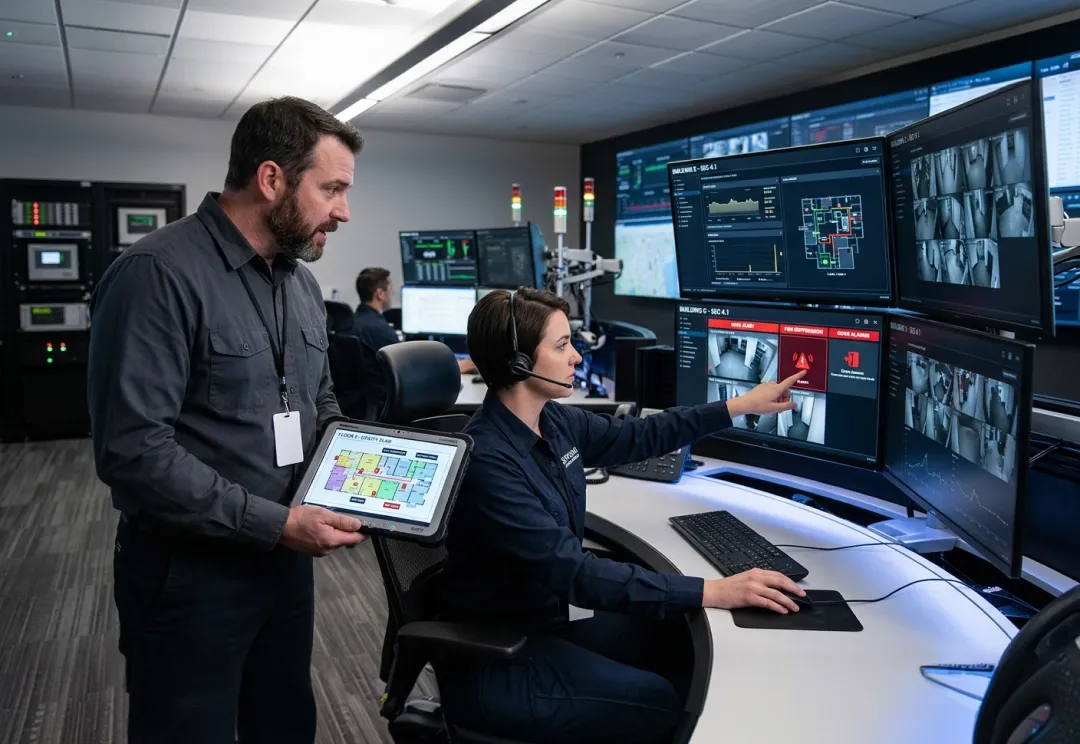
If your organization already uses emergency preparedness or incident management software, ARC Facilities strengthens it by ensuring:
Building drawings are accessible in the field
- Shutoff locations can be located instantly
- Equipment information is accurate and current
- Emergency procedures are tied directly to the building
ARC Facilities does not replace emergency management systems.
ARC Facilities provides the building intelligence that makes them more effective.
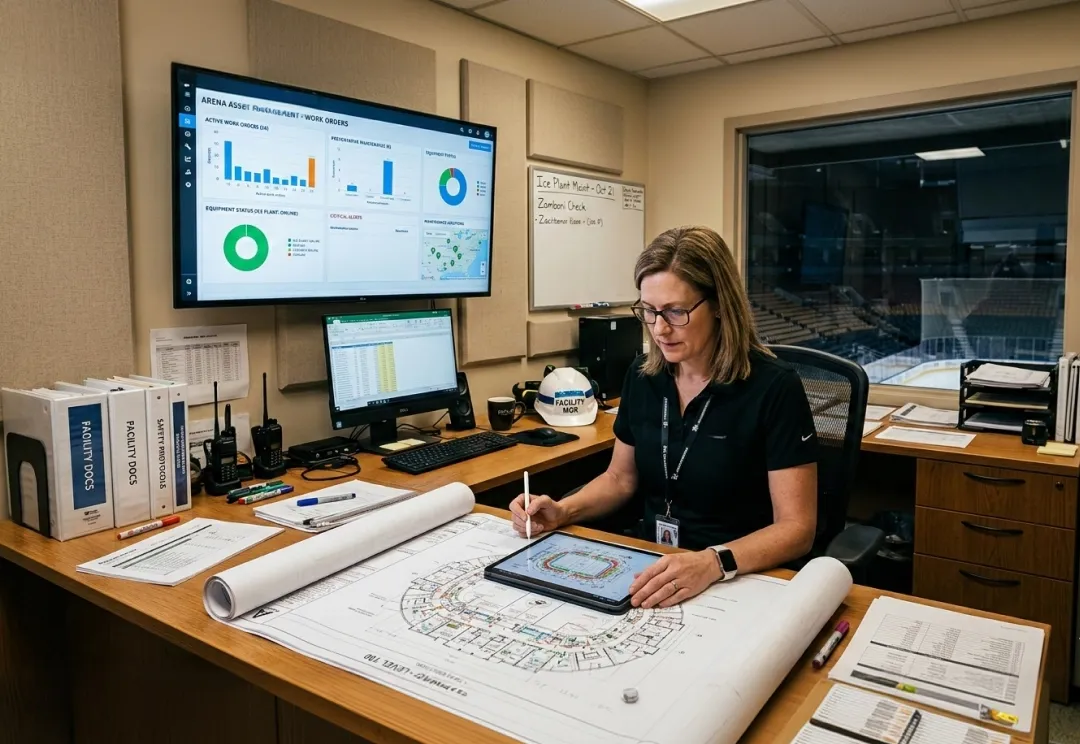
We Do the Work for You
From organizing emergency plans to mapping buildings and linking documentation, ARC Facilities handles the setup. Your team receives a ready-to-use system without added administrative burden.
Strengthen Your Emergency Readiness
Stop relying on binders, outdated files, and fragmented systems. Give your team instant access to the building information that supports effective emergency preparedness.
Request a demo to see how ARC Facilities supports safer, more resilient operations.