Knowledge Sharing for the Collective Conscious
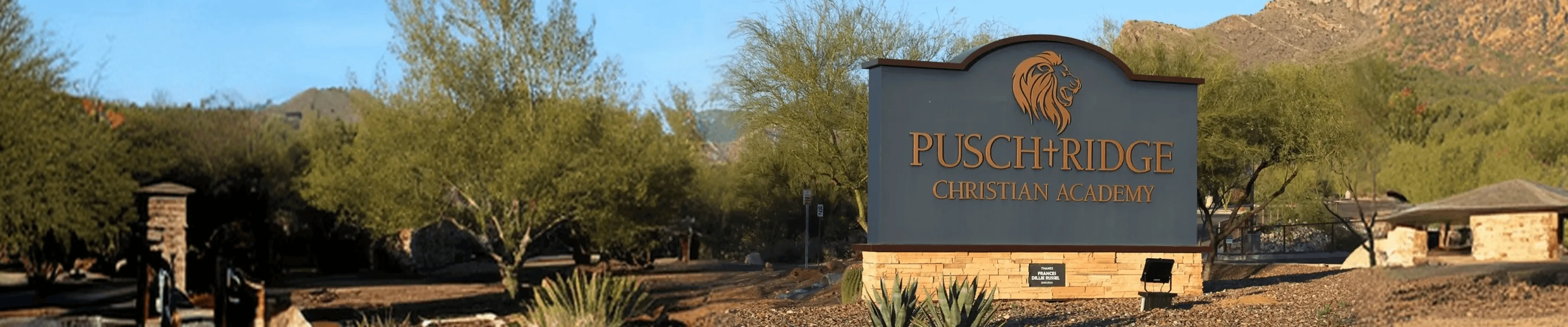
At Pusch Ridge Christian Academy, Jason’s job is simple in theory: support the people who support the students. As Director of Operations, that means giving teachers, staff and his maintenance team the information and tools they need to keep the school running without unnecessary stress or delays.
“The staff and faculty at our campuses are the absolute best people I’ve worked with,” Jason said with a smile.
But as Pusch Ridge grew from two campuses into a multi-building operation, Jason noticed that more questions were coming his way.
“Hey Jason, where’s this?”
“Hey Jason, where’s that?”
“Hey Jason, what do I do here?”
The questions were understandable. But Jason eventually realized they pointed to a larger problem. If he was the person everyone had to go to for answers about the buildings, equipment and systems, he had become a bottleneck.
“I realized that I was failing in the sharing of knowledge,” Jason explained.
Pusch Ridge had plenty of building information. But having information and being able to put it to work are two different things.
The team needed a better way to document buildings, systems, equipment, shutoffs and maintenance history so the people responsible for maintaining the school could find what they needed without depending on Jason—or anyone else—to remember where something was.
“Everyone should know how to turn the water off. Everyone should know how to turn the gas or electric off if they need to,” added Jason.
Today, that information is available digitally and in the field. A maintenance team member looking for a shutoff valve can find it on a map. Someone trying to locate a disconnect can go directly to the information they need. And if they need to understand what happened during a previous repair, that history is available, too.
The result is more than a collection of digital documents. It gives the entire organization a shared source of building knowledge, reducing the guesswork, interpretations, and interruptions that come with relying on one person’s memory.
The value of that shared knowledge became especially clear when Pusch Ridge experienced a major water leak.
The team didn’t simply repair the problem and move on. They documented what they found, captured photos, recorded how the lines were running and made that information available to the wider organization.
Now Jason can find that information when he needs it, and so can a maintenance team member working at another campus. More importantly, if the person who originally handled the repair isn’t available in the future, the knowledge doesn’t disappear with them.
For a growing organization with multiple buildings and campuses, that kind of institutional knowledge can make a significant difference. Instead of starting from scratch every time a question comes up, the team can build on what it has already learned.
For Jason, the ideal scenario is straightforward: a maintenance team member opens the app, selects the right building, heads to the north end and finds the disconnect they’re looking for.
No call to Jason. No searching through old files. No waiting for someone else to remember where the information is located.
That may sound like a small change, but eliminating those interruptions adds up—particularly when the same questions are asked at multiple buildings and campuses.
And that’s ultimately what Pusch Ridge is trying to accomplish.
The goal isn’t simply to digitize its buildings or put more technology in the hands of its facilities team. It’s to make the knowledge that already exists within the organization available to the people who need it, so they can solve problems, make decisions and keep the school running without having to track down the person who happens to know the answer.
Because when facilities knowledge is shared instead of living inside one person’s memory, everyone becomes more capable.
And Jason can spend less time responding to “Hey Jason, where’s this?” and more time supporting the people who support the students.
Pusch Ridge Christian Academy
At Pusch Ridge Christian Academy, Jason’s job is simple in theory: support the people who support the students.